How CNC Milling Achieves High Precision and Tight Tolerances
Manufacturing the everyday products, vehicle components, and high-tech devices we rely on requires an incredible level of structural accuracy. From the tiny metal brackets inside your smartphone to the massive engine parts inside a commercial airplane, modern hardware must be cut to exact measurements to fit together safely. In the past, factory workers had to shape metal and plastic parts by hand using manual saw wheels and traditional drill presses. While these old methods worked for basic shapes, human hands simply cannot cut matching parts with perfect accuracy over and over again. Today, modern machine shops have completely solved this production challenge by utilizing an advanced computer-driven system known as a CNC machine. This automated technology takes the guesswork out of factory production, turning raw blocks of metal into flawless, high-precision components with incredible speed.
Prioritizing computerized manufacturing over manual cutting is a vital choice that actively protects product quality, lowers production costs, and ensures total user safety on the road or in the air. When a mechanical part is engineered, designers specify microscopic allowable margins of error known as tolerances. To hit these demanding goals consistently, a factory must rely on the absolute, unbending repeat accuracy of a computerized CNC machine. According to the Manufacturing Journal, CNC vertical milling uses an upright spindle design that makes it perfect for producing intricate, high-precision parts that meet the most demanding industry standards. Utilizing this automated setup allows companies to produce thousands of identical parts without a single line variation. Partnering with a professional shop equipped with a modern CNC machine removes human error from the factory floor, cuts down on expensive material waste, and secures a clear path toward flawless product performance.
Following Digital Blueprints with Computer Automation
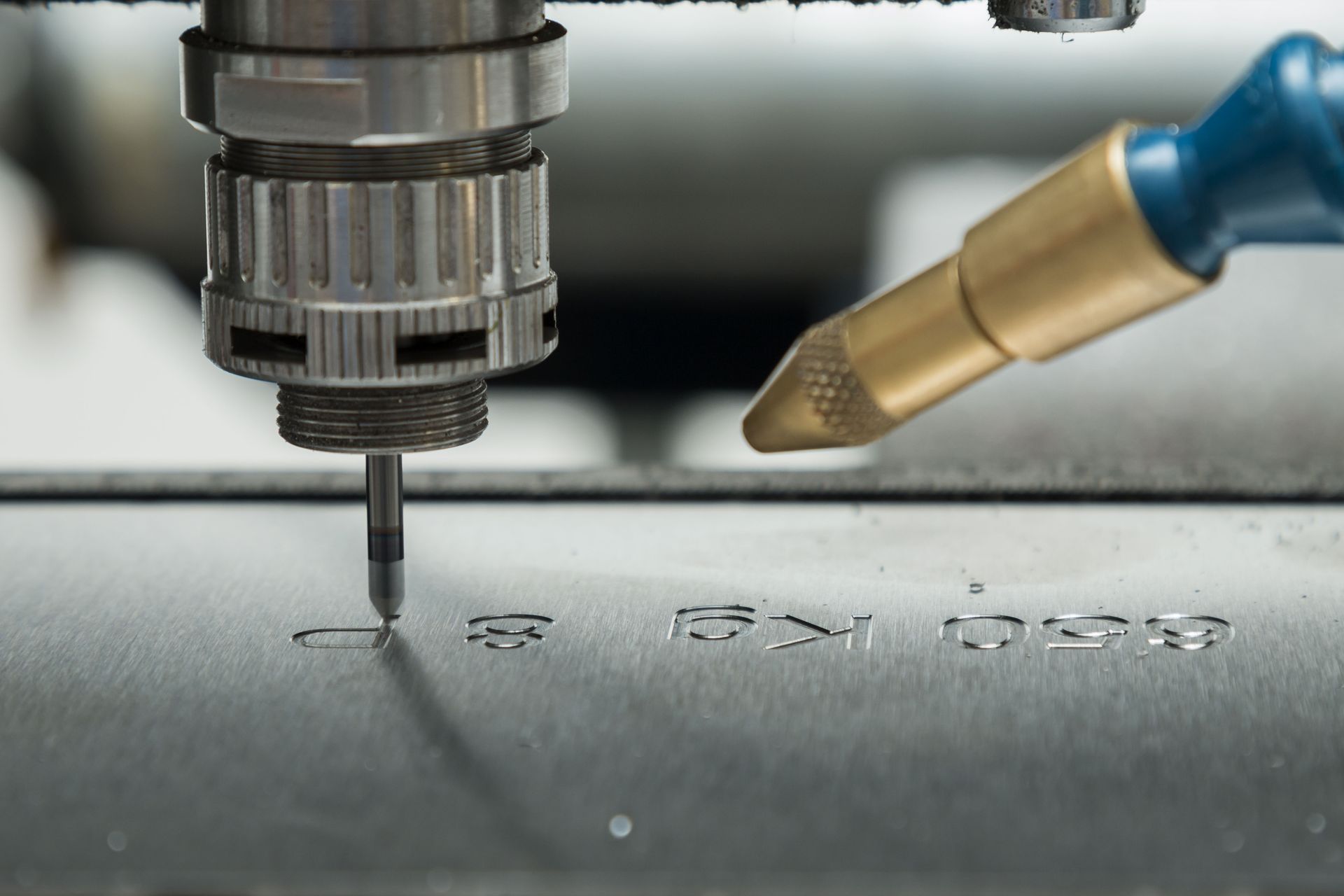
The primary reason a modern milling system can cut parts with such incredible precision is that the entire cutting path is controlled by an advanced digital brain. Before a single piece of metal is cut, engineers design the part on a computer screen using specialized 3D modeling software. This completed digital blueprint is then translated into a highly detailed set of numeric coordinates and motion instructions that tell the CNC machine exactly where to move, how fast to spin, and how deep to cut.
Because a digital CNC machine reads exact numerical code, it bypasses the physical limitations, fatigue, and measurement mistakes that naturally happen with human operators. The motorized cutting head glides across the raw material with absolute, mathematically perfect control, following the digital map down to a fraction of a millimeter. This total reliance on computer automation ensures that the first part cut in the morning matches the last part cut at night with total uniformity. Using a computer-guided CNC machine turns complex geometric drawings into a simple, automated routine that delivers perfect parts every single time.
Utilizing High-Rigidity Frames to Stop Physical Vibrations
When a heavy-duty cutting tool spins at thousands of revolutions per minute to slice through tough materials like titanium or stainless steel, it creates an immense amount of physical force and intense friction vibration. If a factory machine has a weak frame or loose joints, these intense vibrations will cause the cutting tool to wobble slightly while it carves the material. Even a microscopic wobble can leave rough edge marks on the metal, ruin your tolerances, and cause the part to fail quality checks.
To prevent this accuracy loss, a commercial CNC machine is constructed with an incredibly heavy, solid cast-iron or steel foundation base. This rigid, high-density frame acts like a giant anchor that completely absorbs cutting forces and deadens internal motor vibrations. Keeping the cutting platform perfectly stable allows the spinning tool to glide through hard alloys with absolute smoothness. Investing in a heavy-duty, ultra-rigid CNC machine guarantees that your cuts stay perfectly straight and mirror-smooth, preventing structural flexing from ruining your high-end project specifications.
Measuring Tool Wear with Closed-Loop Sensors
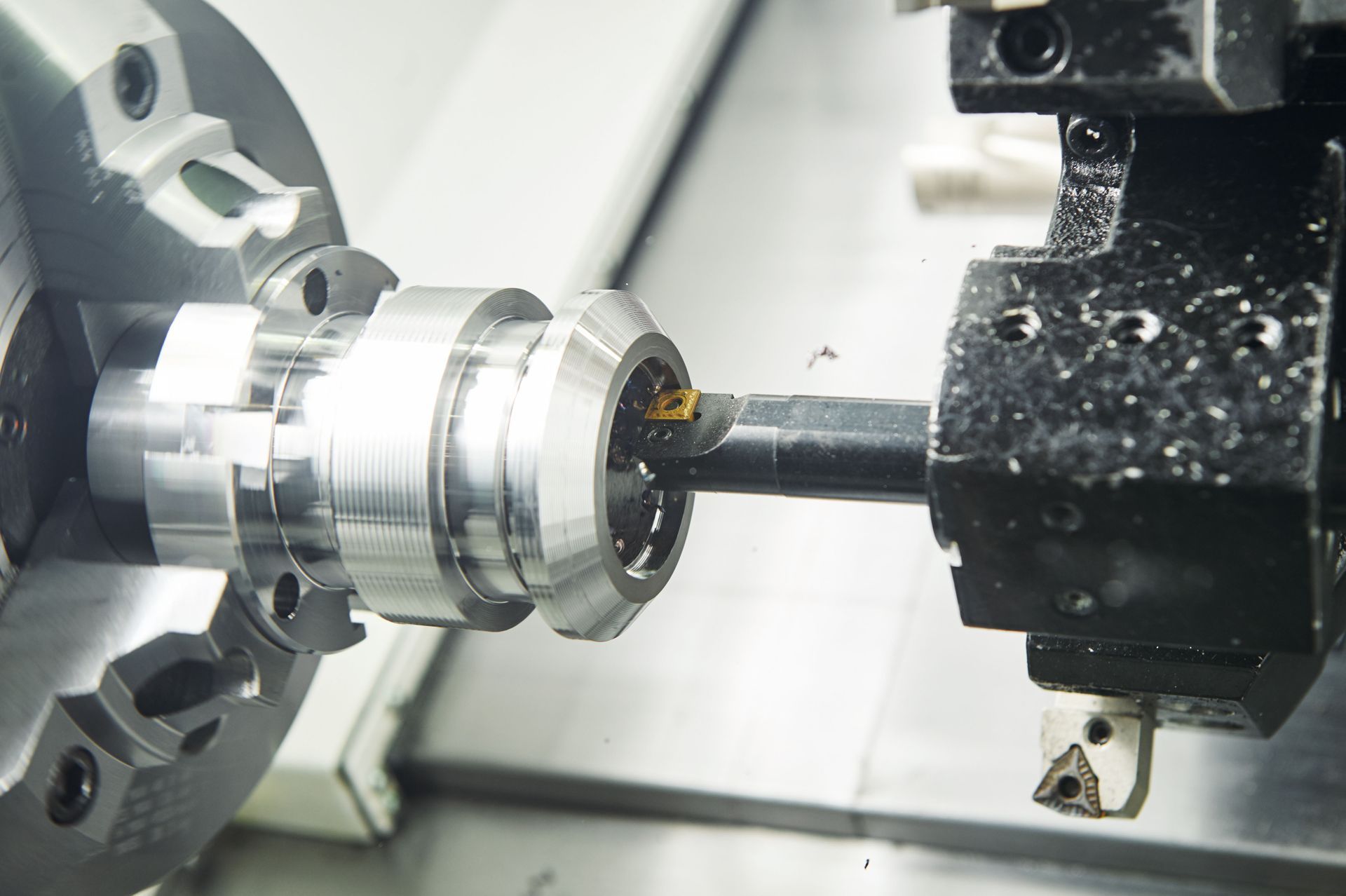
During a long manufacturing run, the sharp tungsten carbide drill bits and end mills used to slice through metal will naturally begin to dull and wear down from continuous friction heat. As a cutting edge wears away, the actual physical diameter of the tool shrinks by a tiny fraction of an inch, which can slowly throw off your part measurements over time. A smart, modern CNC machine tackles this natural wear problem by utilizing advanced digital measuring sensors and closed-loop feedback tracking loops.
The internal computer constantly monitors the exact location of the tool edge using laser beams or sensitive touch probes inside the enclosure. If the sensors detect that a tool has worn down by even a hair, the CNC machine instantly updates its mathematical calculations to compensate for the missing metal. This automated correction ensures that the finished dimensions stay perfectly accurate without forcing an operator to stop the assembly line to adjust the tool by hand. Relying on a self-correcting CNC machine saves valuable time, lowers labor costs, and ensures your production run hits its tight tolerances effortlessly.
Suppressing Friction Heat with High-Pressure Coolant Flows
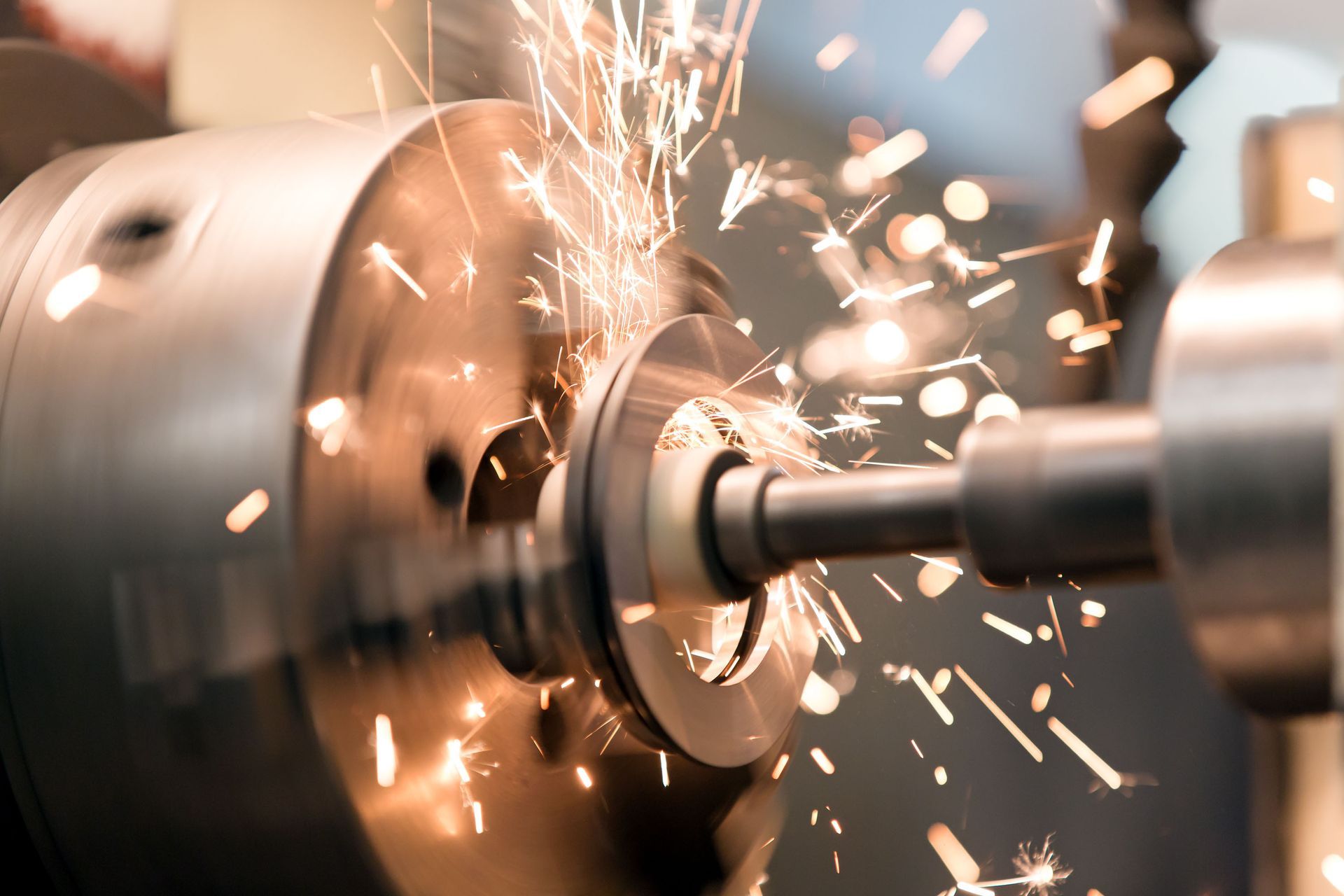
Slicing through raw metal blocks generates intense thermal energy that can cause both the cutting tool and the workpiece to heat up and expand rapidly. When metal gets hot, it naturally expands; if a part is measured while it is hot, it will shrink back down once it cools off, completely ruining your final measurements. To block this thermal expansion from ruining your precision work, a high-performance CNC machine utilizes a continuous flood of liquid coolant directly over the cutting zone.
The specialized liquid coolant absorbs intense friction heat instantly, keeping the raw material and the drill bit at a perfectly stable, cool temperature throughout the entire milling process. Furthermore, the high-pressure liquid jet blasts away sharp metal chips and debris from the cutting path, preventing loose flakes from scratching the finished surface of the part. Keeping the workspace clean and cool inside the CNC machine preserves your tool sharpness, protects your delicate metal finishes, and ensures that your final part dimensions remain completely accurate after cooling down.
Sustaining high-quality production and achieving microscopic part accuracy over the long term requires a steady combination of smart digital programming, heavy-duty machinery, and automated cooling controls. The modern manufacturing world moves at an incredibly fast pace, and attempting to create complex structural components with outdated manual gear or unverified cutting tools will only lead to expensive material waste and product failures. Stepping away from manual guesswork and investing in a computer-guided CNC machine is the absolute best way to protect your business budget from high scrap rates and customer returns. By aligning your manufacturing goals with a professionally programmed CNC machine, you successfully safeguard your short-term production budget and protect your long-term market reputation for quality.
When you take the time to utilize a well-calibrated, high-rigidity cutting system, you unlock faster assembly speeds, eliminate costly human errors, and gain total confidence in your product safety. Computerized automation transforms raw, heavy metal blocks into pristine, highly polished components that meet the most demanding aerospace and medical quality standards. If you realize your current workshop tools are holding your production back, notice alignment errors in your parts, or simply want to scale up your weekly output, do not wait for a complete manufacturing bottleneck to take action. Visit Summit Machine Co, Inc online today to explore your
CNC machine options, view fresh programming paths, and schedule a professional system consultation for your production line.